Published : 2026-06-01
From bustling urban centres to tranquil rural retreats, we explore authentic sights tucked away in backstreets and nestled within lush wilderness, offering a richer, multi-dimensional perspective on the diverse character of this metropolis.
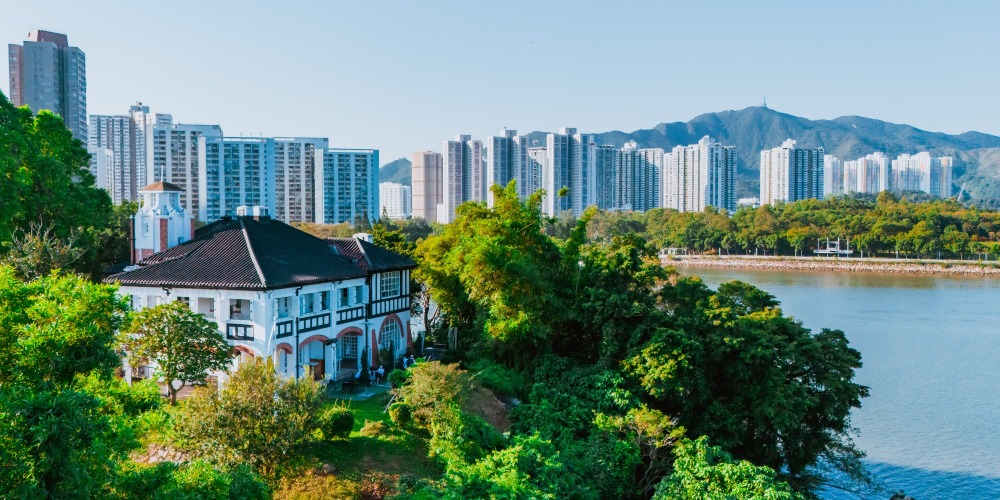
When tourists travel Hong Kong, they would overlook a hidden attraction in Mei Foo , tucked away within a residential area. This is the Jao Tsung-I Academy, built on a hillside and revitalised from the former Lai Chi Kok Hospital.
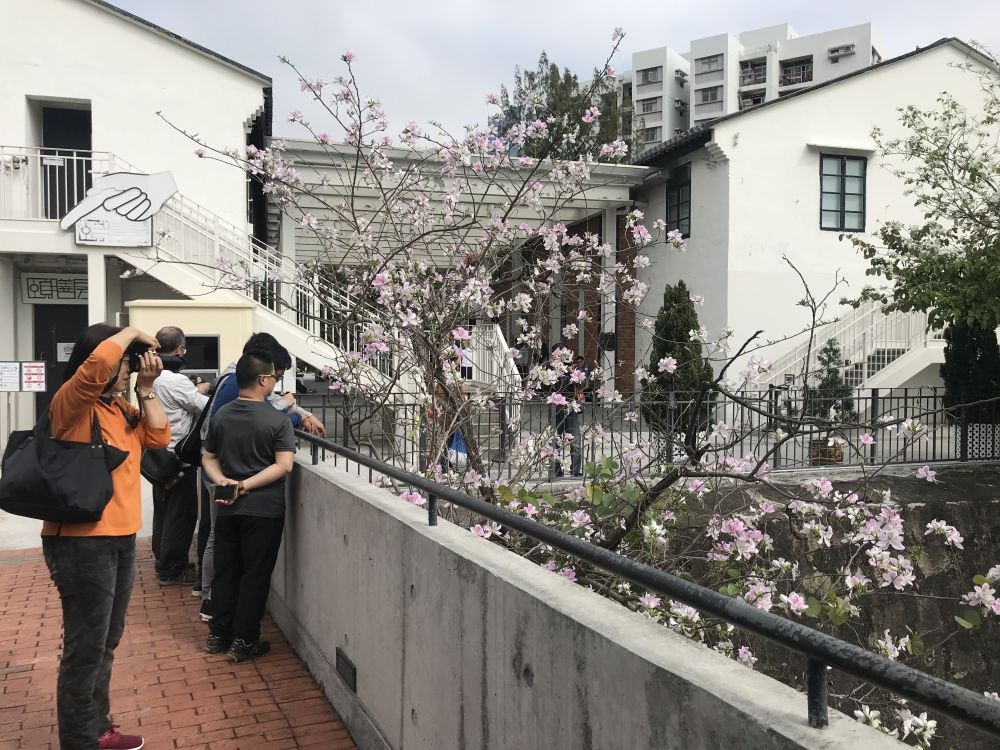
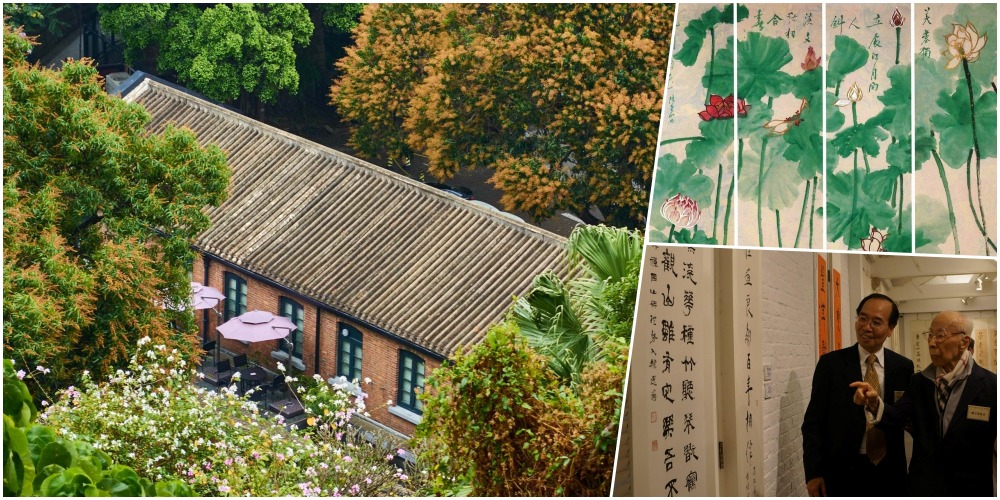
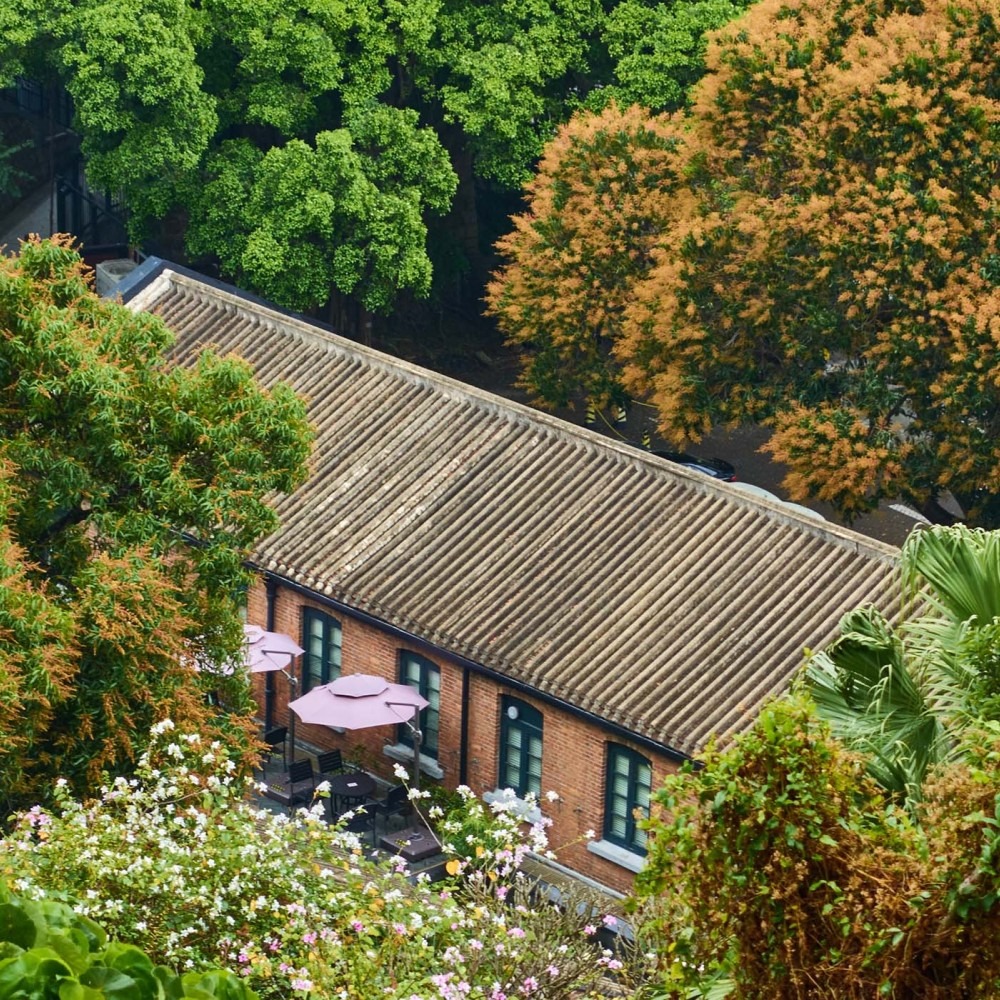
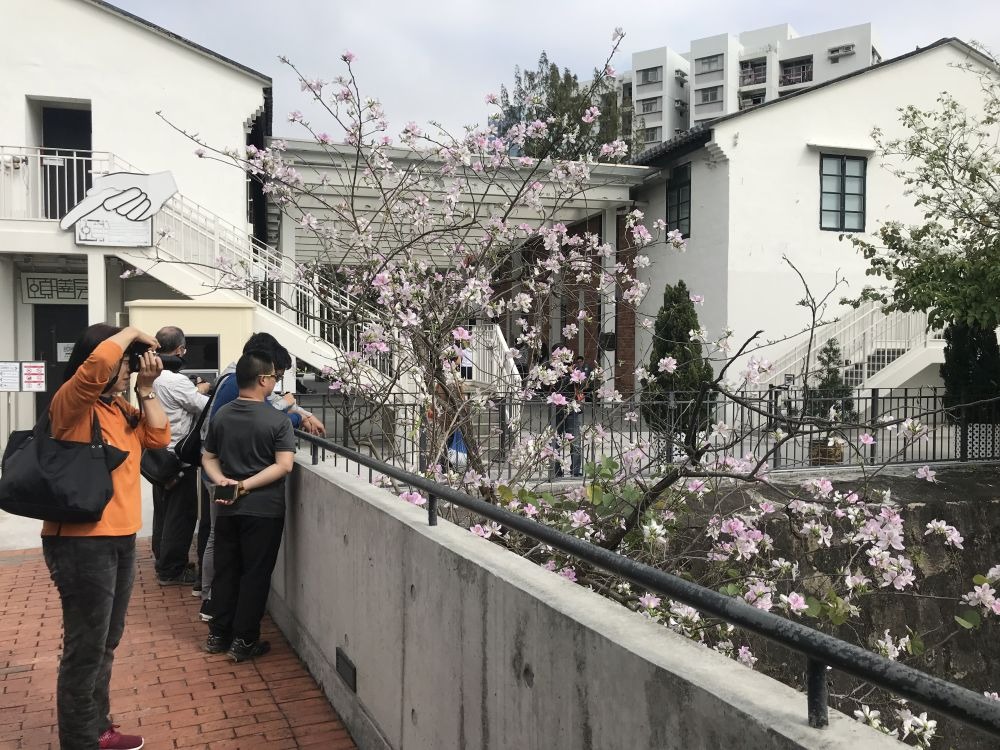
Every year from February to April, this place is filled with camel's foot tree blossoms. Amidst this floral display are the calligraphy and paintings of the great master of Chinese studies, Jao Tsung-I.
Former Lai Chi Kok Hospital has been revitalised into Jao Tsung-I Academy
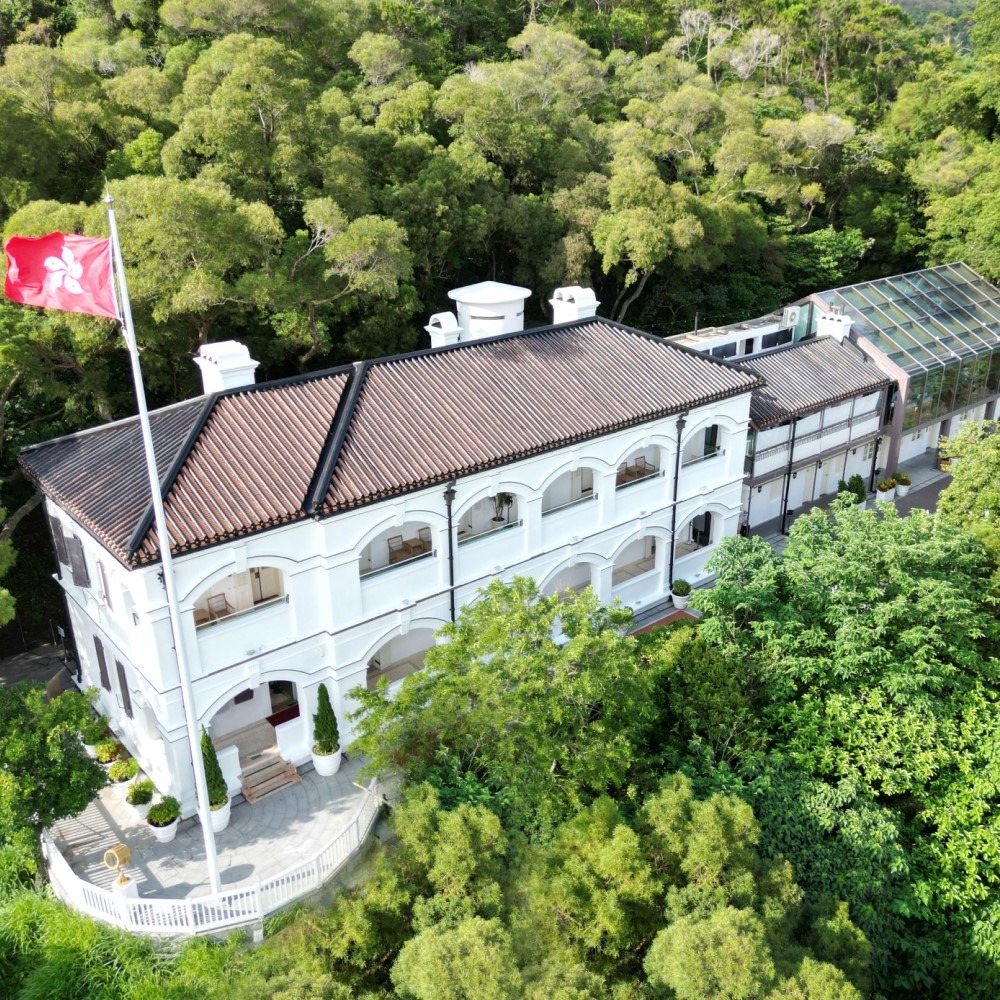
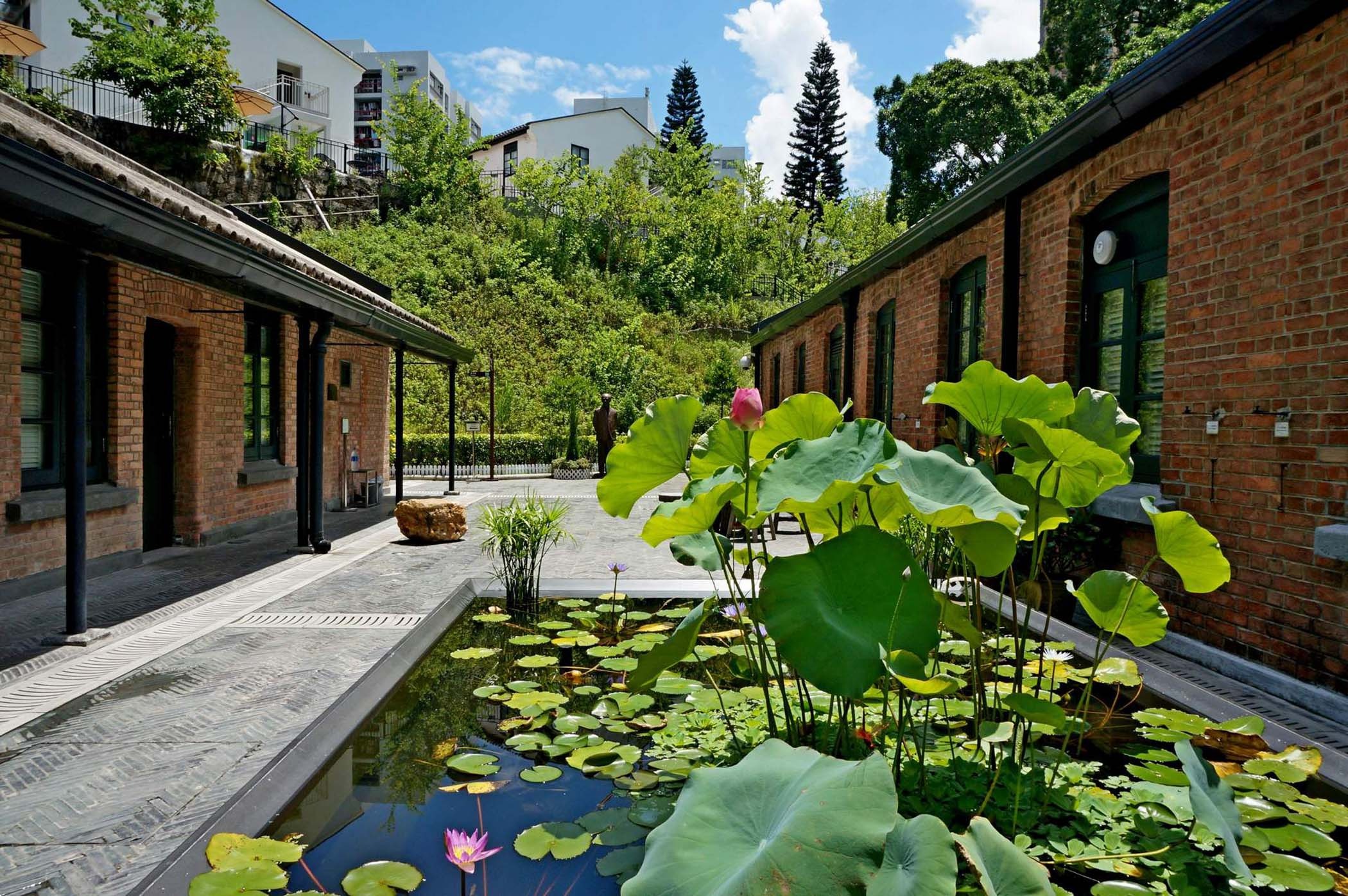
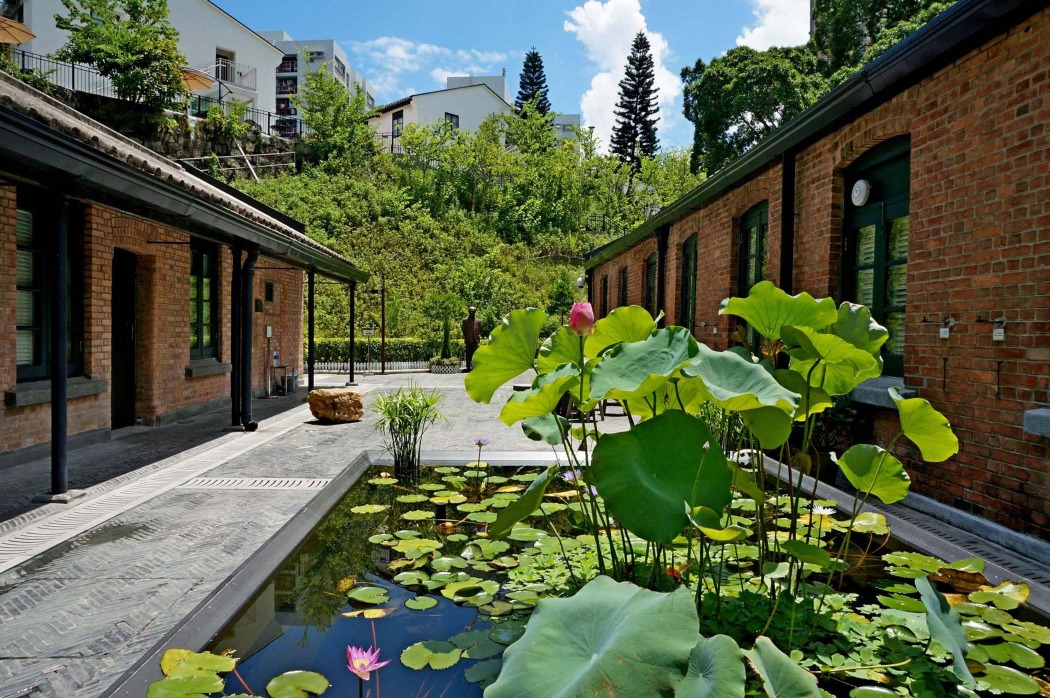
The red-brick building complex where the Jao Tsung-I Academy (JTIA) is located is hidden on a small hill beside Mei Foo Station.
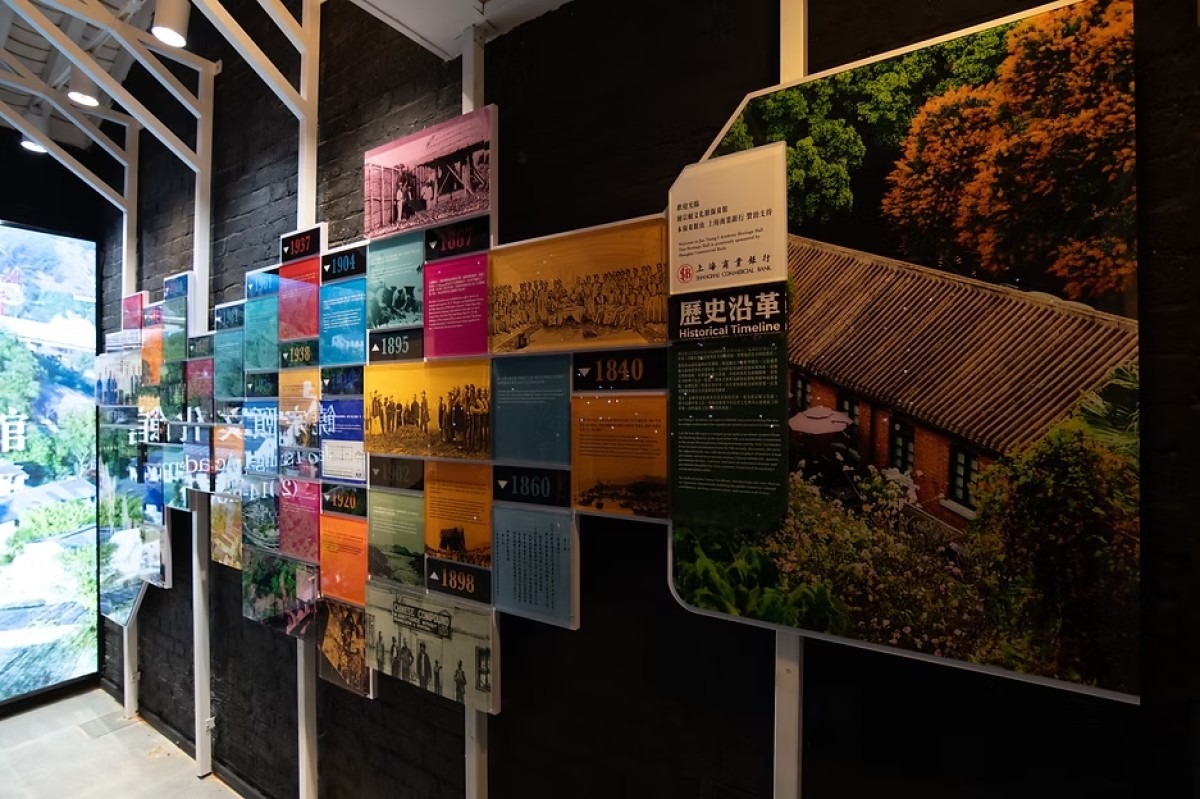
Over 100 years ago, the hill was coastal, offering an unobstructed view of Lai Wan (Lai Chi Kok Bay), and it was a customs station in the late Qing dynasty.
Afterwards, these red-brick buildings used as lodging for Chinese labourers, a quarantine station and isolation camp, Lai Chi Kok Prison, an infectious disease hospital, a psychiatric hospital and a care centre.
The coastline below the hill, Lai Chi Kok Bay, has also undergone dramatic changes due to land reclamation.
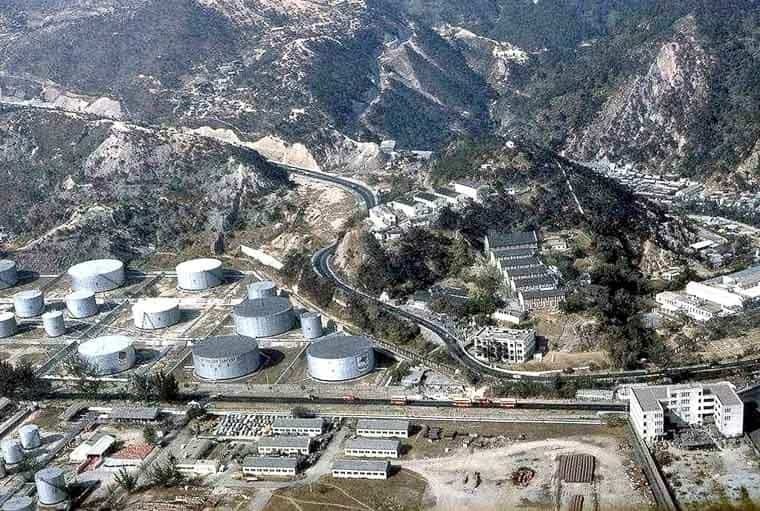
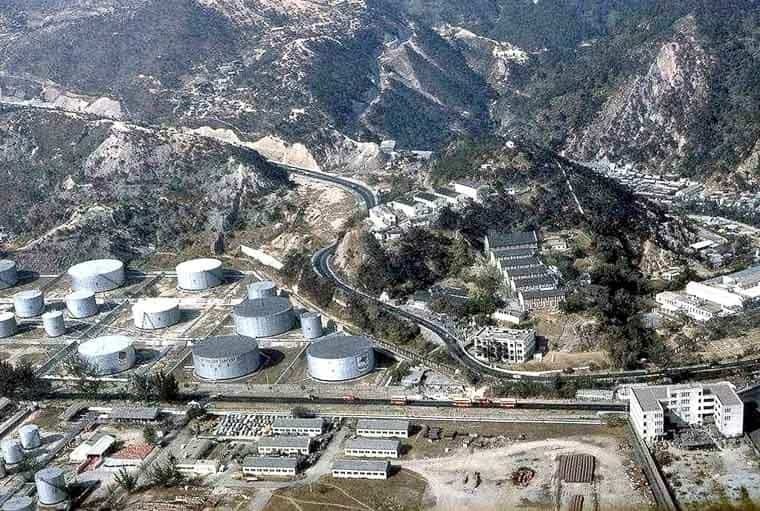
In the early 20th century, several large cylindrical oil depots were built here.
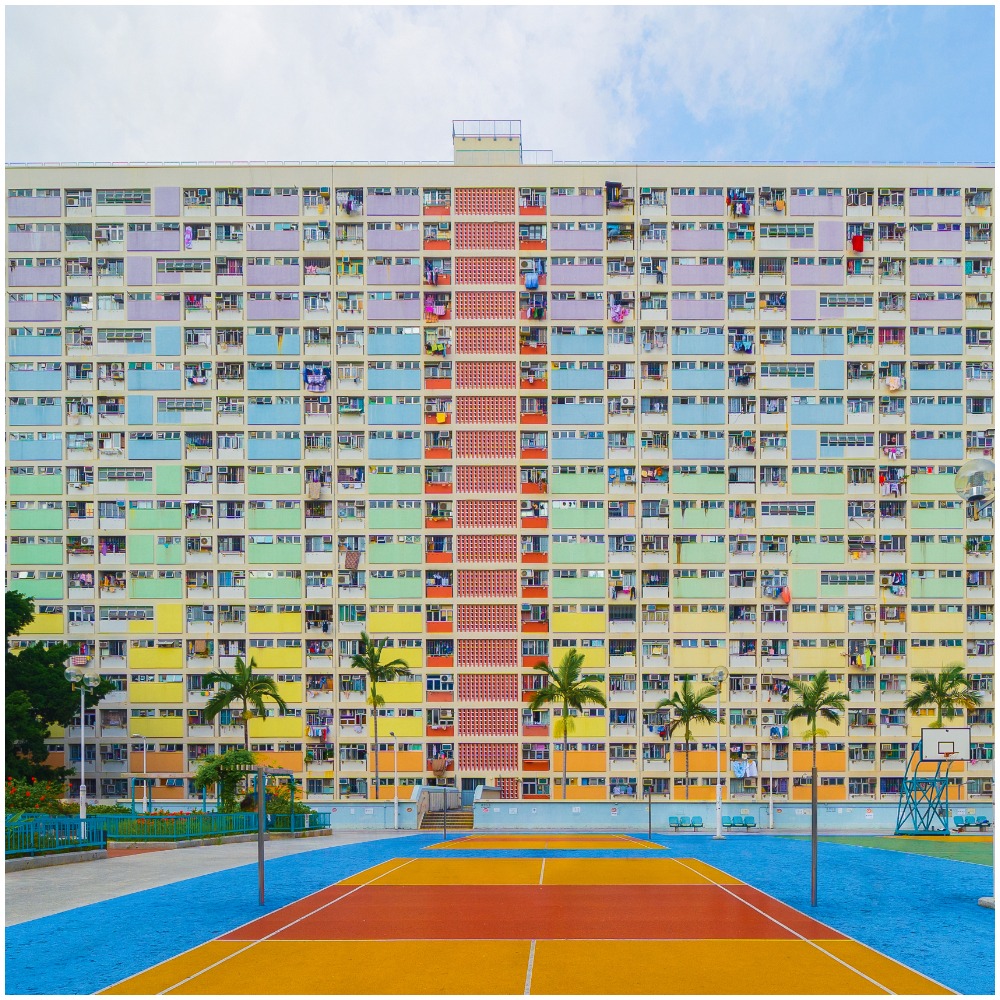
When the depots were relocated in the 1960s, the site was transformed into Mei Foo Sun Chuen—the world's largest private housing estate at the time—which became home to tens of thousands of people. What was once a coastal hill has since become an isolated peak amidst a sea of city lights.
In the new millennium, the long-vacant former Lai Chi Kok Hospital was included in the first batch of the government's "Revitalising Historic Buildings Through Partnership Scheme", and in 2012 it was revitalised into the Jao Tsung-I Academy for the promotion of Chinese culture.
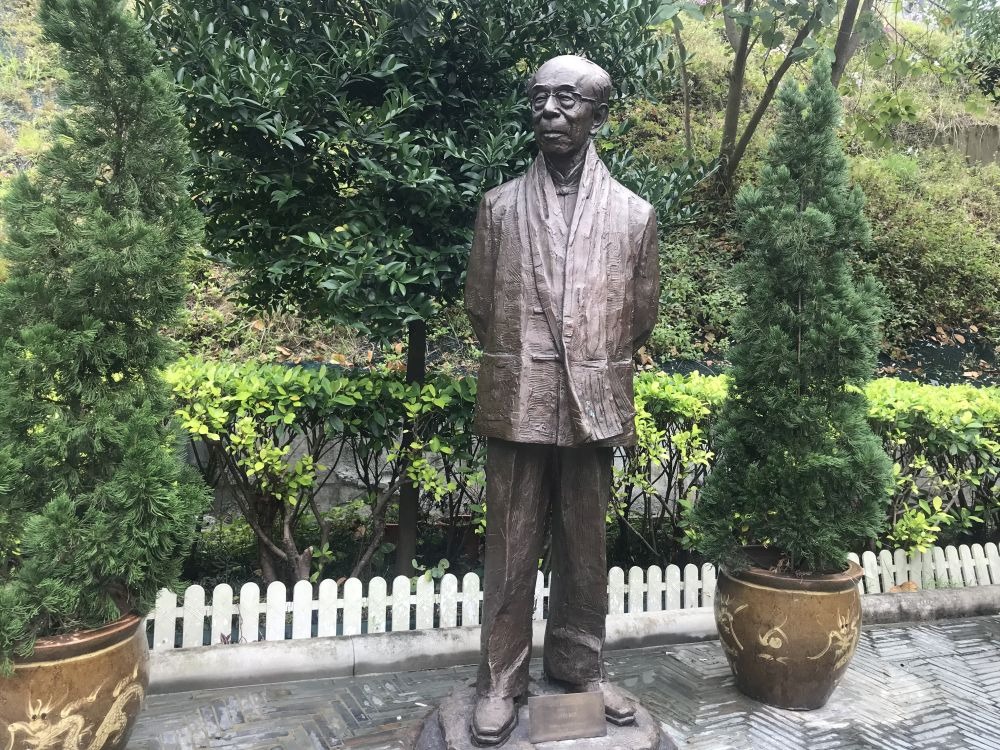
Jao Tsung-I, a master of Chinese studies of his generation
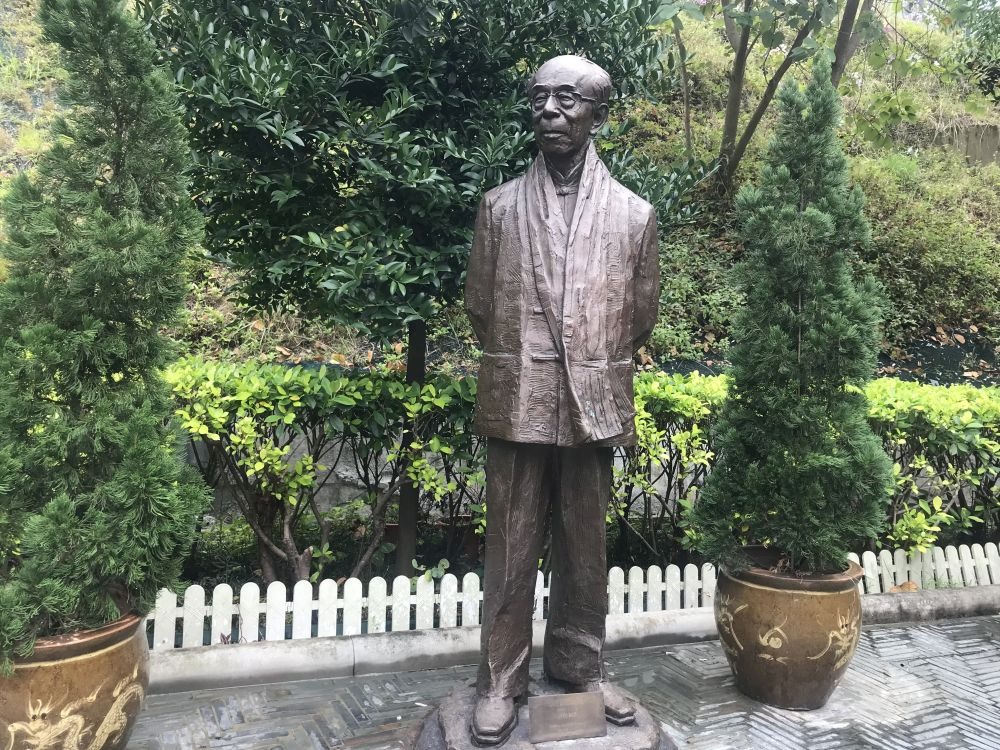
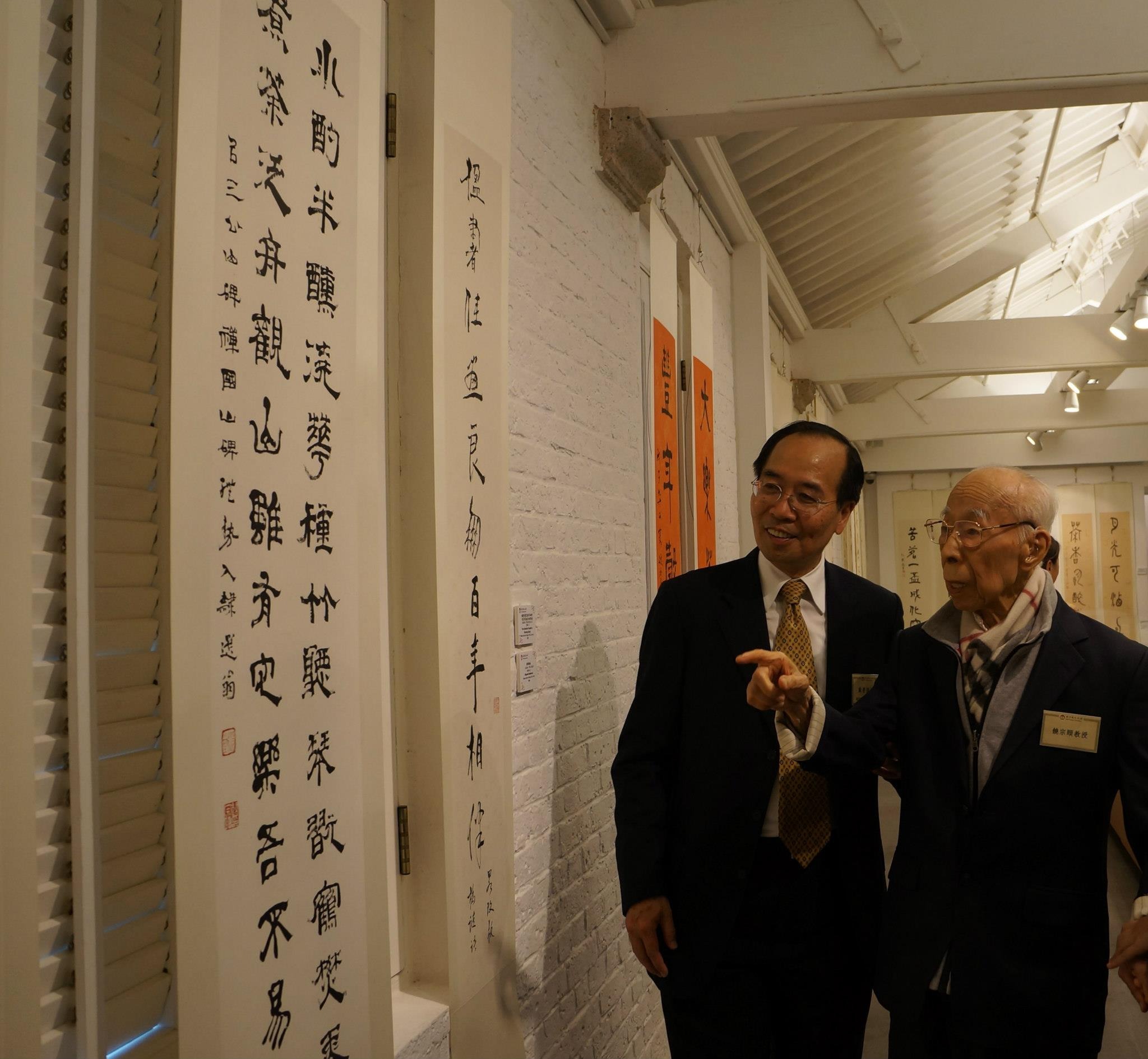
Professor Jao Tsung-I (饒宗頤) was a master of Chinese classical studies who epitomised both academic integrity and artistic excellence. Together with Ji Xianlin (季羨林), he was celebrated as one of the twin titans of Chinese scholarship, famously known as "Jao of the South and Ji of the North" (南饒北季).
In his academic pursuits, he upheld the spirit of "seeking fact, seeking truth, and seeking correctness", pioneering the fields of Dunhuang studies (敦煌學) and Chaoshan studies(潮學). His research spanned a total of 13 major categories, including ancient history, oracle bone script studies, and studies of Chu Ci (楚辭, Verses of Chu) — a testament to his extraordinary erudition.
In the arts, Professor Jao pursued nothing short of excellence in literature, calligraphy, and painting.
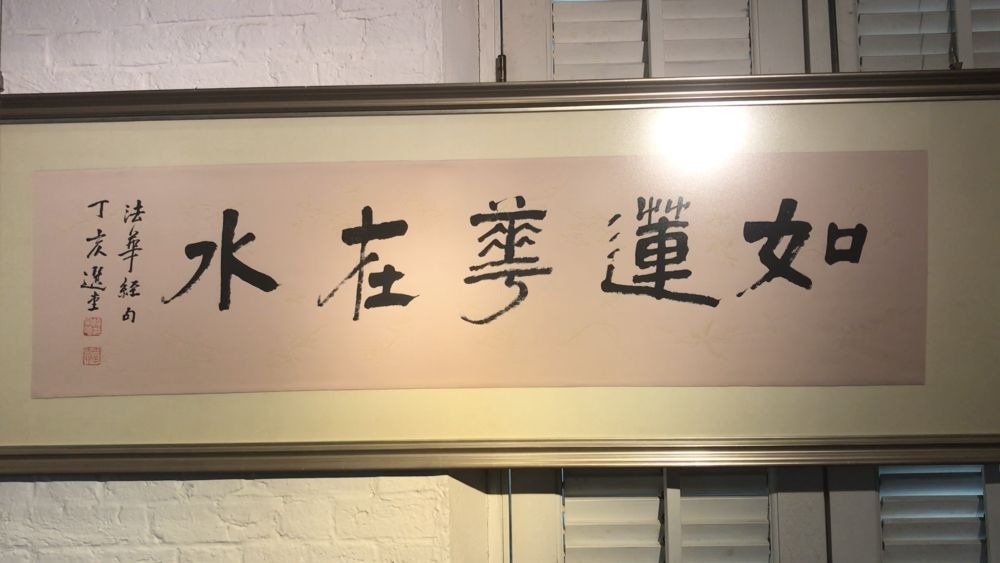
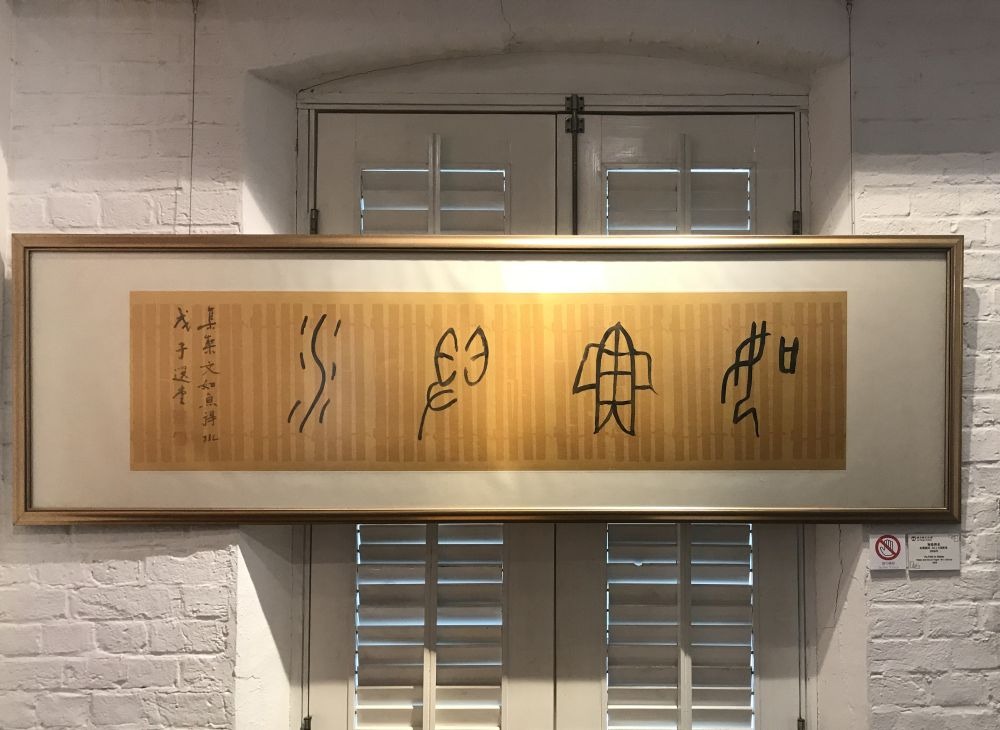
His poetry continued classical traditions while reflecting the spirit of his own time. In calligraphy, he developed a unique style inspired by oracle bone and archaic script.
His paintings combined vivid colour with archaic simplicity, displaying bold creativity. Throughout his life, he was devoted to both preserving heritage and forging new paths. His remarkable scholarly achievements and unrestrained artistic spirit have earned him lasting reverence from later generations.
Read more: Master of Chinese Studies Jao Tsung-I passed away on 6 February 2018
Jao Tsung-I Academy has renovated Heritage Hall
At the end of 2025, the Heritage Hall of the Jao Tsung-I Academy underwent a renovation. The eight stages of transformation of the century-old historic site are displayed through a series of projections, 3D architectural models, and interactive installations, allowing visitors to understand the development trajectory of the architecture and the city amidst light and shadow in an interactive and clear way.
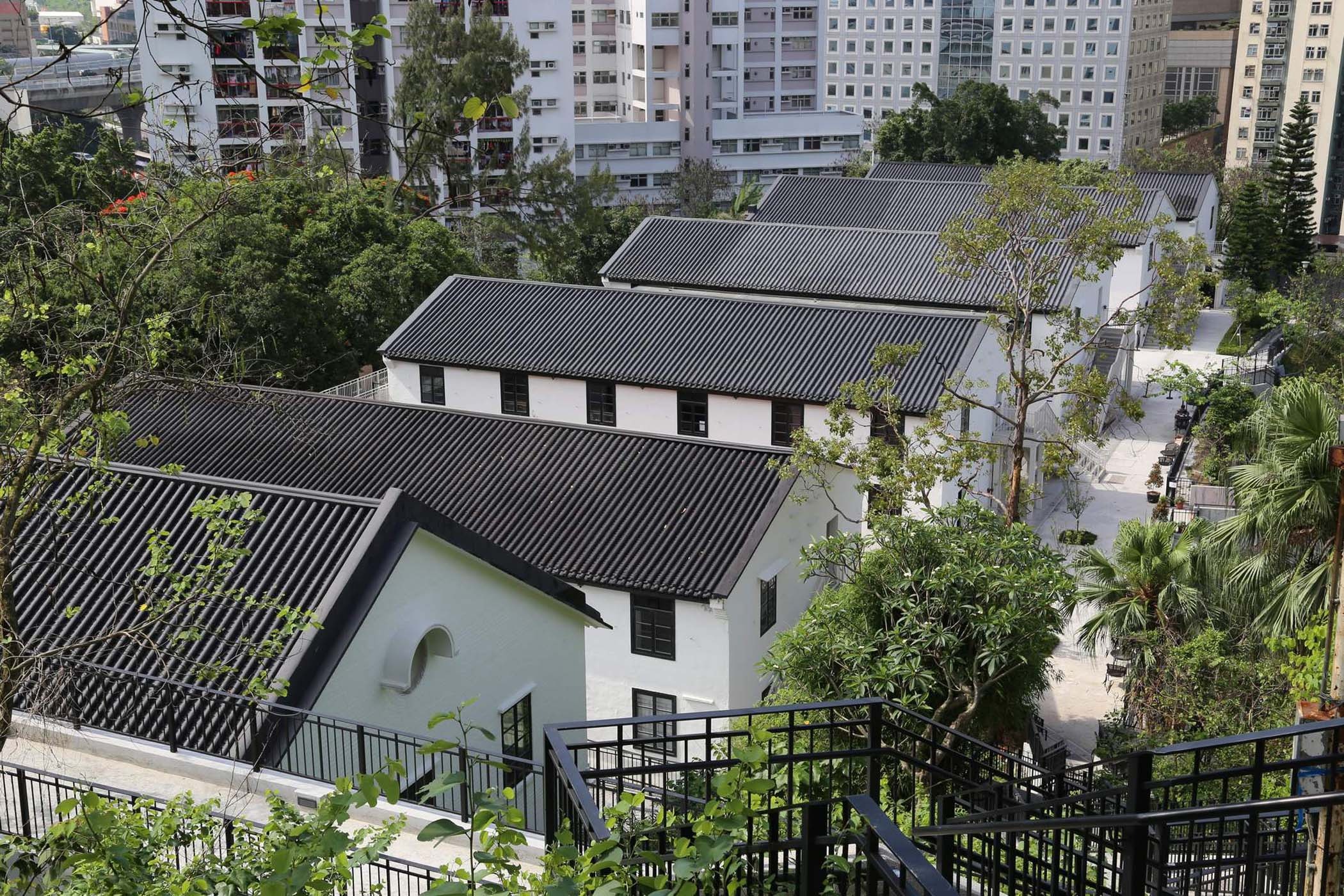
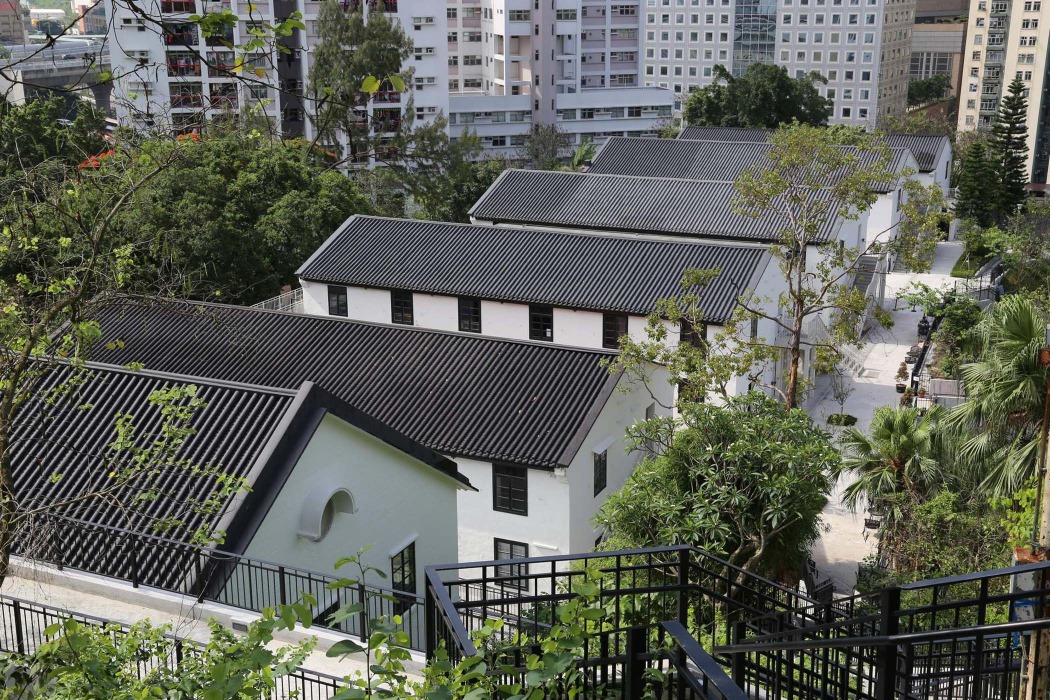
Stepping out of the Heritage Hall and letting your gaze travel up the red-brick wall to the rooftop, you'll notice something unexpected: atop the English-style red-brick structure lies a traditional Chinese gable-tiled roof.
This surprising Chinese-Western fusion not only reflects Hong Kong's historical and cultural blend of East and West but also evokes Professor Jao Tsung-I's advocacy for the complementarity of Chinese and Western traditions.
Read more: Jao Tsung-I's calligraphy creates the Wisdom Path on Lantau Island
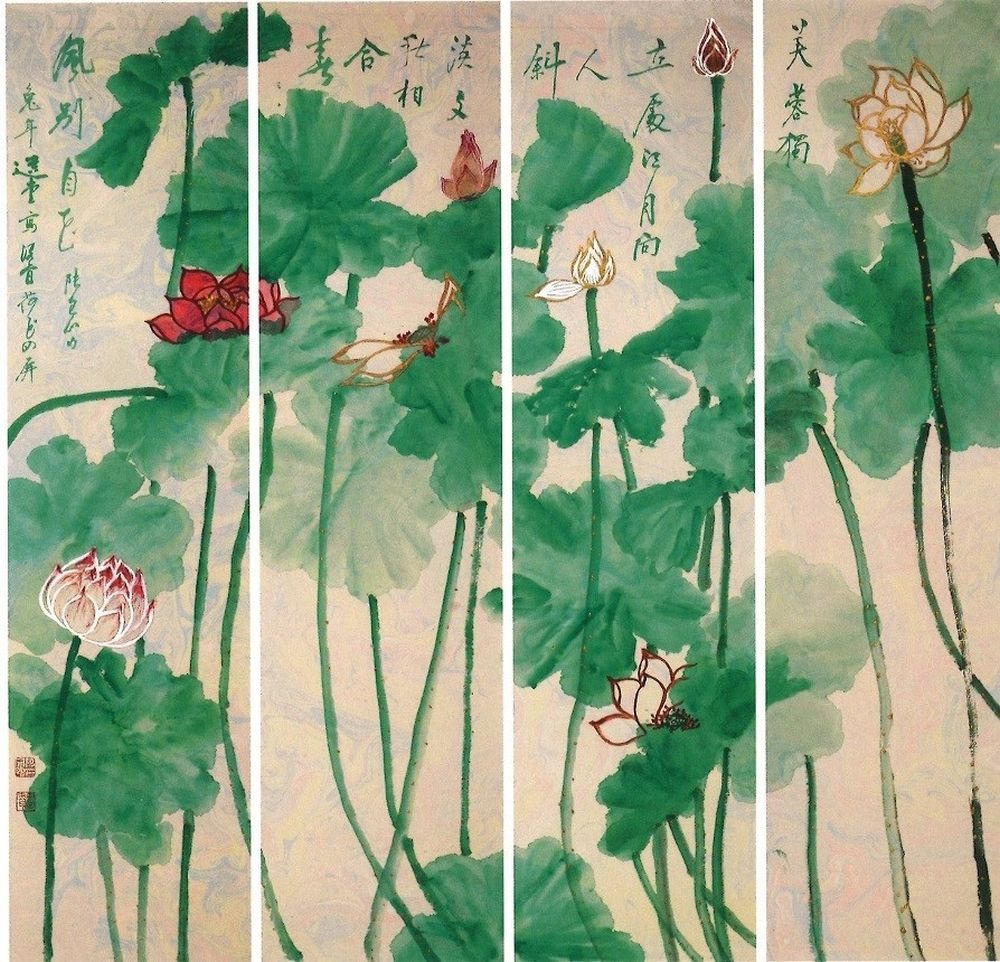
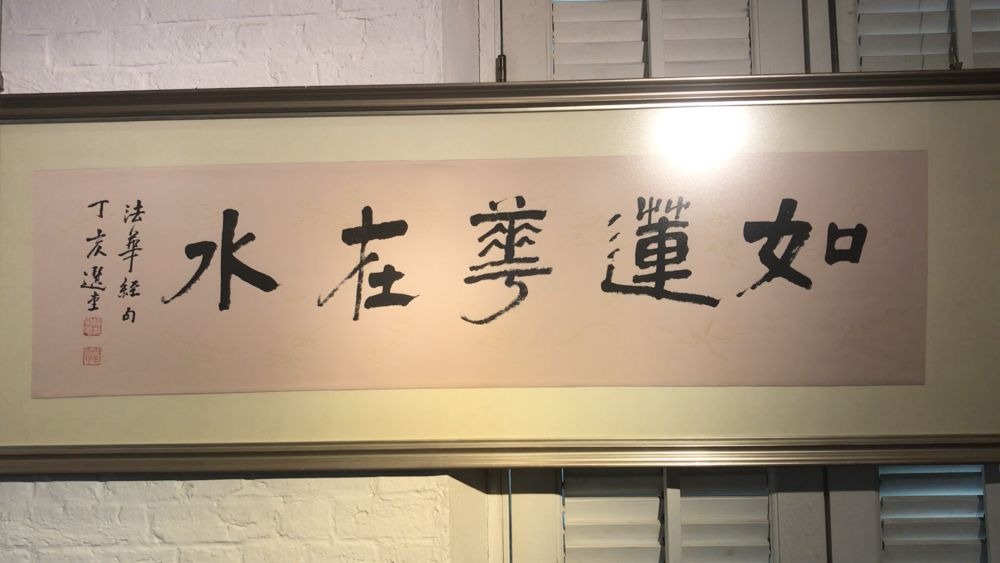
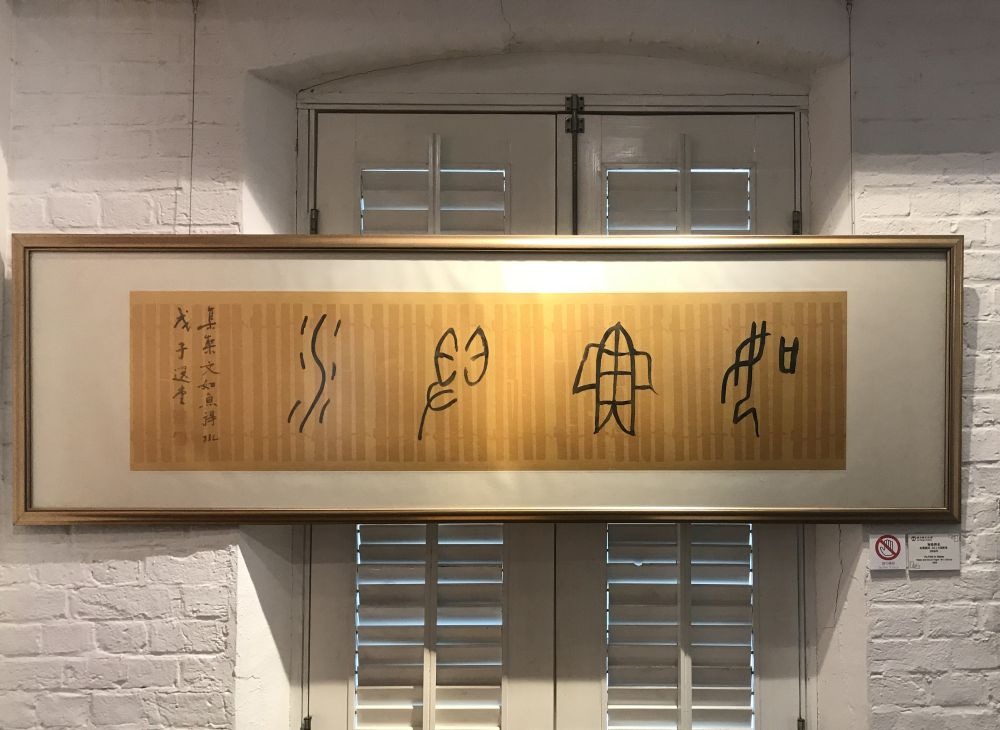
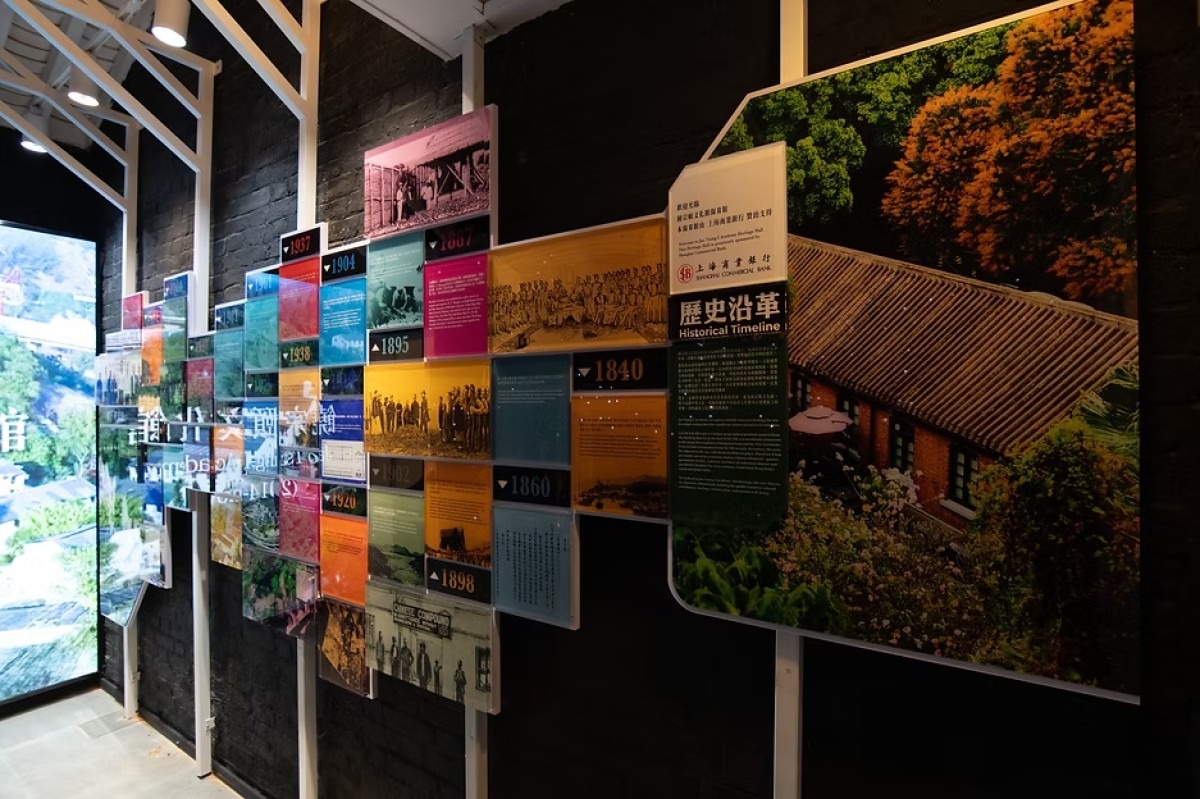
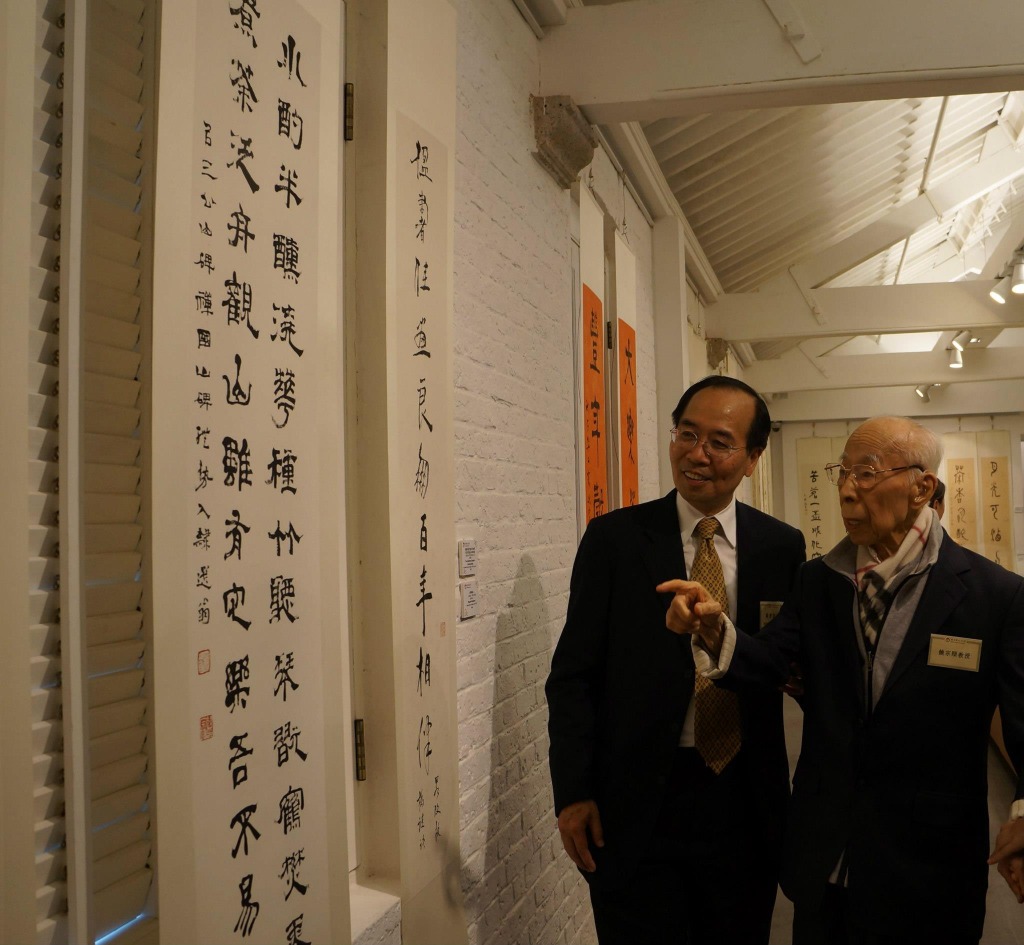
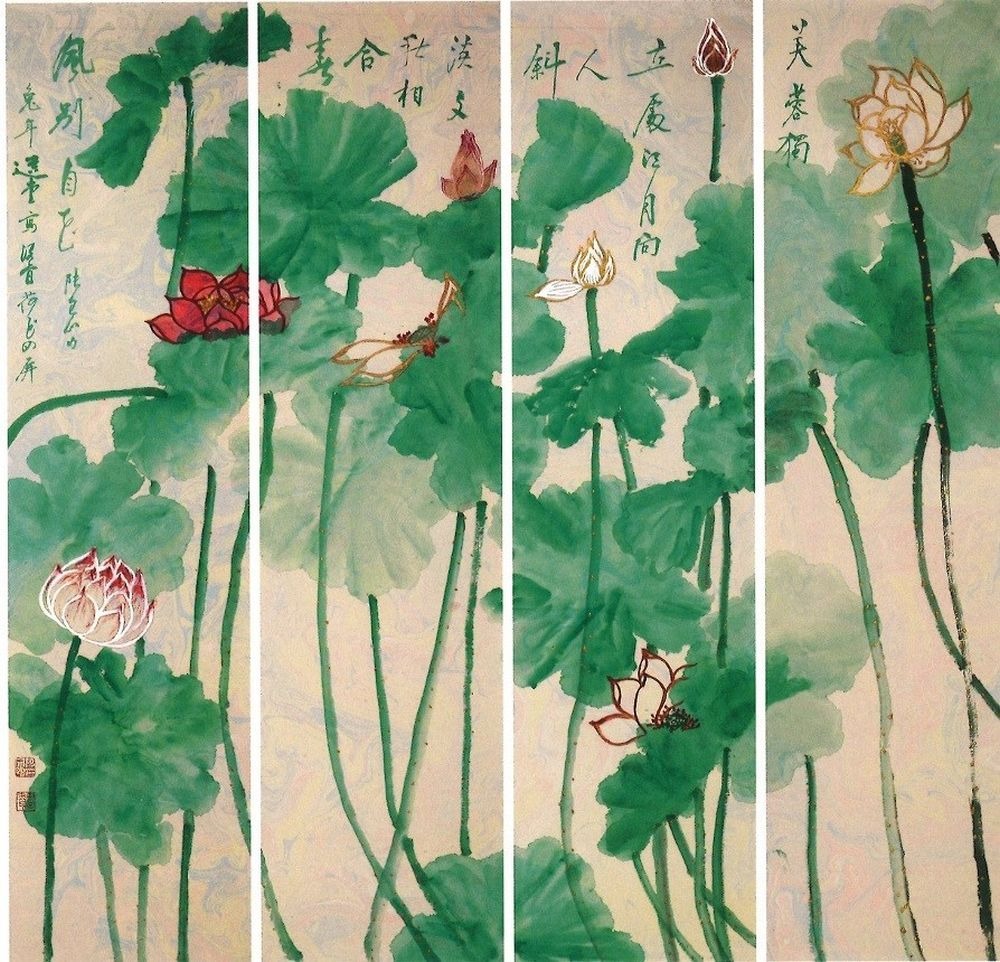
In his later years, Professor Jao dedicated himself to painting lotuses, and "Jao's lotuses" are a prime example of the complementary nature of Chinese and Western artistic styles.
Lotuses are the first works displayed to visitors at the Academy's art gallery. As is well known, Professor Jao always admired the image of the lotus in Ai Lian Shuo (《愛蓮說》, On the Love of the Lotus) by Zhou Dunyi (周敦頤), a writer of the Song dynasty, viewing the lotus that "emerges from mud yet remains unstained" as a symbol of a noble gentleman.
For Professor Jao, the lotus was not only ornamental but also held deeper spiritual value. He even extended the meaning of the Chinese character "荷" (lotus) to its homophone "荷" (to bear a burden), believing that intellectuals have a responsibility to bear for the inheritance of Chinese culture.
In his depictions of "Jao's Lotuses", he drew upon the techniques of the Western Impressionists, infusing vivid colours into traditional ink-wash painting to compensate for its relative lack of visual impact. Yet he remained committed to the core principle of Chinese brushstroke method.
In doing so, he sought to "illuminate Eastern ink and brush with Western light and shadow", striving for a synthesis of Chinese and Western aesthetics and advancing the goal of Eastern learning toward the West.
The Academy's art gallery has a permanent exhibition titled "Cultural Heritage – The Story of Professor Jao Tsung-I, Master of Chinese Studies".
In addition to Professor Jao's calligraphy and paintings, there are also his research manuscripts on oracle bone script, bamboo and silk scripts, and Dunhuang studies, as well as scholarly objects, publications, and awards, displaying from multiple perspectives Professor Jao's spiritual outlook and wisdom, embodying his principles of "combining scholarship and art" and "seeking fact, seeking truth, and seeking correctness".
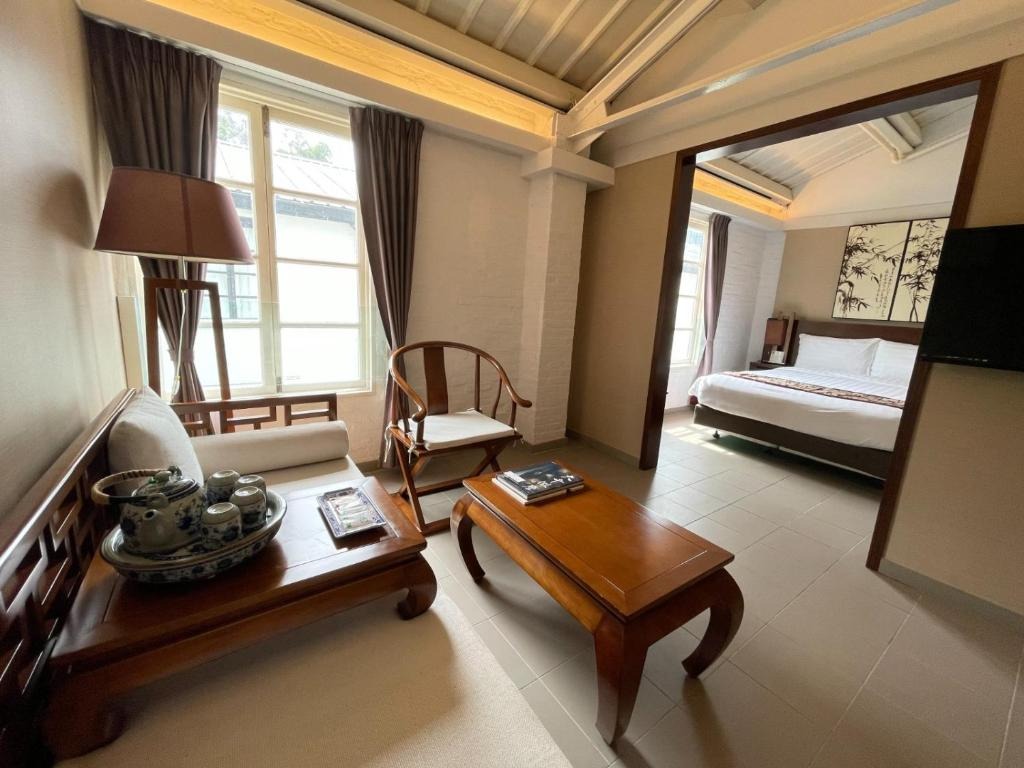
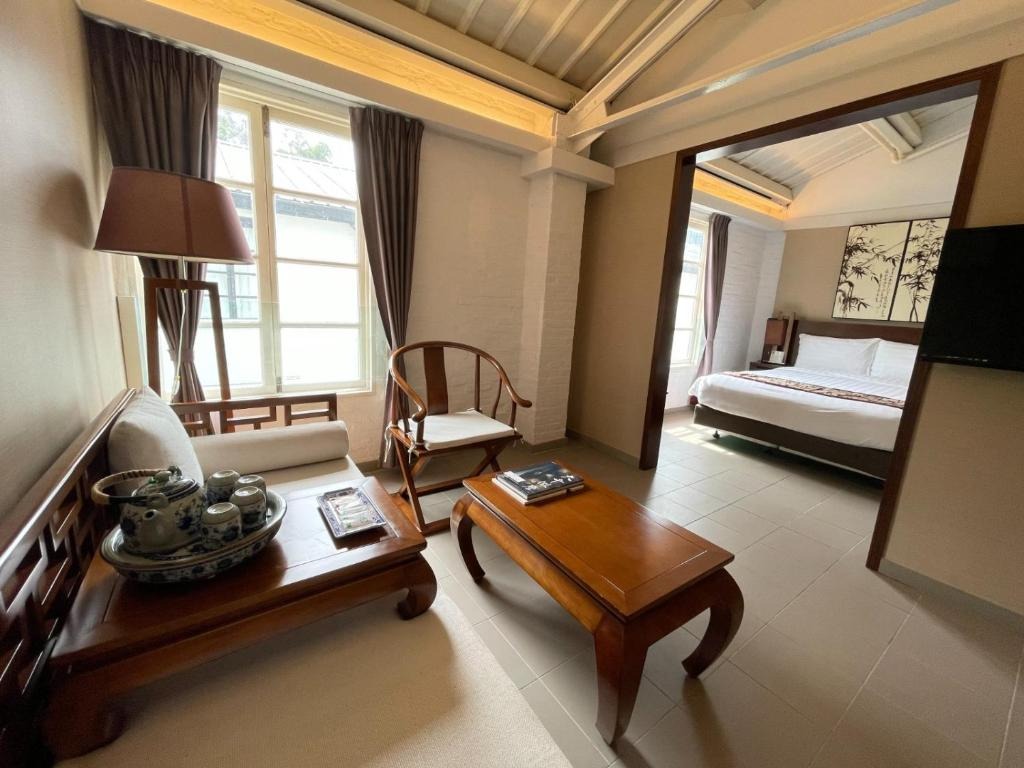
Walking up the steps from the art gallery, you will eventually reaches the hilltop. The cultural hotel "Heritage Lodge" and the Western restaurant up here are excellent places to get away from the hustle and bustle.
Taking a leisurely stroll here on a day off, meeting up with a few close friends to tuck into a relaxing Western meal, or spending a night surrounded by a century of history whilst gazing out at the glittering night views of Mei Foo, allows you to truly feel the hilltop's hundred-year transformation.
It is a wonderful way to unwind and find a moment of calm amidst a busy life.
Jao Tsung-I Academy (formerly Lai Chi Kok Hospital)
Address: 800 Castle Peak Road, Mei Foo, Kowloon
Opening Hours: Outdoor Areas 08:00-22:00; Art Gallery, Heritage Hall 10:00-18:00 (Closed on Mondays and from the first to the third day of the Lunar New Year)
Ticket: Free admission
Website: https://www.jtia.hk/en
Read more: The most HK-style accommodation: Mei Ho House in Sham Shui Po